The No-Nugget Rule: A Christening Lunch for Three Generations
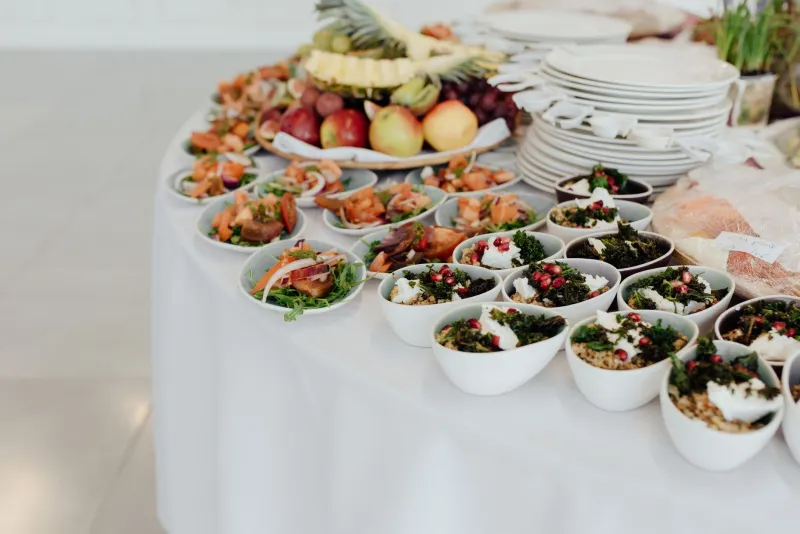
Photo: multi-generational family christening lunch buffet British seasonal roast church hall, via wou.edu
A christening lunch is not a wedding with a smaller budget, nor a birthday party with better hats. It is a family reunion with a ceremony attached, and the guest list usually runs from prams to walking sticks. That mix is the whole point, and it is also where most catering plans go wrong. The temptation is to split the room: grown-up food on one table, beige freezer food on another. Resist it. Toddlers do not need a separate cuisine. They need food they can manage, served in a way that does not make them feel like an afterthought.
Start with the room, not the menu
Before you dream of celeriac remoulade, look at the venue. Most christenings land in a church hall, village hall, pub function room or a marquee, and each comes with its own constraints. Check three things: access, kitchen and timing. Can the caterer get trolleys through the door? Is there a working oven, or only an urn and a microwave? Are there enough plug sockets for hot holding? Where do the prams go? If the venue has one domestic oven, do not plan a menu that needs three ovens at 12:30.
Church halls are often wonderful and slightly stubborn. They may have a serving hatch, a tiny kitchen and a squeaky parquet floor. That is fine. Build a menu that can be finished in trays, held hot safely and served by a calm team. A christening lunch is not the moment for last-minute frying.
One table, three speeds
The best christening lunches follow a simple rule: same food, different cuts. A toddler can have the pork shredded, the cabbage chopped, the crumble in a bowl with custard on the side. A grandparent might want the same plate, just less of it. Parents want something they can eat with one hand while holding a baby. That is not a children's menu; it is portioning and presentation.
Keep sauces on the side. Shred the meat for the smallest guests. Cut grapes and sausages lengthways. Put a plain bowl of mash on the table alongside the buttered greens. None of this is dumbing down the food. It is making the same feast accessible to everyone, which is rather the point of a christening.
A seasonal menu that does the work
For a late-autumn christening, build the table around British roots, apples, leeks and greens. Our blueprint: slow-roasted shoulder of British pork with apple, sage and cider; a vegetarian centrepiece of roasted squash, leek and butterbean traybake with a crisp breadcrumb topping and cheese served separately; buttered hispi cabbage; maple-roasted carrots; potato and celeriac mash; and a sharp pear and watercress salad on the side. Pudding is apple and blackberry crumble with proper custard, plus a dairy-free option. Sauces go on the side: apple sauce, mustard, gravy. Children can take or leave them, and adults can make their own decisions.
Seasonal produce does the heavy lifting here. November roots are sweet, apples are sharp, leeks are tender. You do not need a children's menu to make the food approachable; you need soft textures, familiar flavours and a few plain things on the plate. Keep one tray of roast carrots unsauced, one bowl of mash plain, and everyone relaxes.
Portions, without the guesswork
Plan adult main courses at around 180-220g cooked protein, with two or three generous sides. Toddlers need 60-80g protein and a spoonful of each vegetable, but assume they will eat from an adult's plate too. Grandparents often take a smaller first plate and come back for pudding. For a buffet of 60 guests, prepare 60 generous adult portions plus six to eight spares; serve children from the same trays in smaller bowls. Do not create a separate children's buffet, because it doubles the work and halves the adventure.
Pudding is where people surprise you. Crumble goes further than you think, but custard does not. Plan around 1.2 servings of pudding per adult and 0.5 per child under five. Keep a few plain portions back without crumble topping for small guests who prefer soft food, and have fruit on the table for anyone who wants it.
The dietary landmines worth mapping
Collect dietary needs at RSVP, not on the day. A christening guest list often includes at least one dairy-free guest, one gluten-free guest and one person who cannot eat onion. Add vegetarian and vegan guests, religious exclusions, pregnancy-related restrictions and children's allergies, and you have a proper map to draw. Label every dish clearly, keep serving spoons separate, and do not promise 'nut-free' unless the whole kitchen is.
Build a menu that can flex. The pork is gluten-free if you use cornflour. The crumble can be made with oat flour. The traybake can be dairy-free if you leave the cheese off. Ask about children's allergies separately, because a four-year-old with a sesame allergy is not a minor detail. Good labelling is not bureaucracy; it is hospitality.
A realistic serving timeline
Work backwards from the church service. If the service starts at 10:30, guests will reach the venue around 12:00-12:15. Caterer access should be two and a half to three hours before service, not twenty minutes before. Drinks and a small canape for 30 minutes; call to the buffet at 12:45; pudding at 13:30; tea and coffee at 14:15; farewell by 15:00. Keep canapes light: a toddler who has eaten three sausage rolls will not thank you for lunch. Hot food should be ready to serve at 12:30, not still coming out of the oven.
In our kitchen, the pork is cooked overnight at low temperature, cooled and reheated in trays; the crumble is assembled in the morning and baked on site if oven space allows. It is not glamorous, but it is how you get 60 plates out in 20 minutes without a queue that reaches the font.
The last detail: tea, coffee and a chair for grandma
Christenings run on tea. Put out an urn or two, mugs that are easy to hold, and a small pot of biscuits. Have high chairs, a quiet corner, and a chair with arms for older guests. Nothing undoes a good lunch like a grandmother standing for an hour because every seat is low and soft. A christening is a community occasion, and the catering should feel like one: generous, calm and built for the whole room. One table, same food, seasonal produce, enough chairs. No nuggets required.