Tuesday, Catered: The Rise of the Midweek Feast

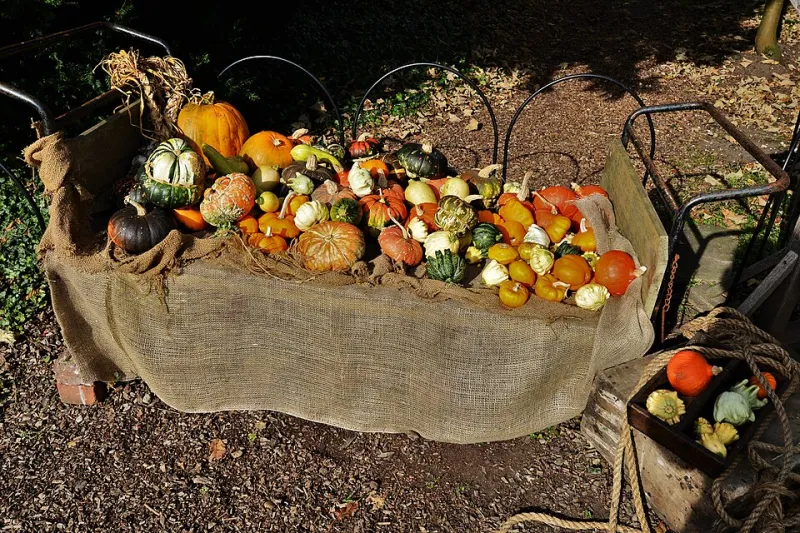
Photo: midweek supper club table autumn UK catering warm lighting, via thereaderlife.com
The best feasts no longer wait for Friday. Across the UK, a quieter kind of gathering is taking hold: the Tuesday supper, the Wednesday supper club, the Thursday client lunch that turns into an early dinner. This year, the Treforis kitchen has noticed a change in the bookings—smaller groups, midweek dates, menus that feel generous without demanding a weekend of prep. The weekend hasn’t disappeared, but it’s no longer the only night worth setting the table.
The weekend has lost its monopoly
Part of it is practical. Weekends are crowded with family admin, football matches, school runs and the kind of social plans that were booked in July. Part of it is financial: a midweek table often costs less to host, and guests are more relaxed when they haven’t spent the day on a train. But the bigger shift is emotional. People want good food closer to the moments that need it. A Tuesday that ends with a proper meal feels like a small victory.
From Tuesday suppers to Thursday client lunches
Midweek feasting isn’t one occasion. It’s a whole family of them. There’s the Wednesday supper club in a pub back room, where a short menu and a long table do most of the work. There’s the Thursday client lunch that needs to feel considered but not stuffy. There’s the neighbourly Tuesday dinner that started as a takeaway and has quietly become something better. The common thread is smaller groups, shorter lead times and a menu that doesn’t ask the host to disappear into the kitchen.
Menus that don’t demand a weekend
The trick is to build a midweek menu around dishes that can be made in stages. A slow-braised leek and butter bean gratin can be assembled on Monday and baked on Tuesday. Roast squash with sage and ricotta is mostly oven time. A winter slaw of red cabbage, apple and toasted seeds gets better after an hour in the fridge. For pudding, poached pears with almond cream or a simple pear and ginger cake will happily wait on the sideboard.
Seasonal produce does the heavy lifting. In November, that means celeriac, cavolo nero, mushrooms, apples and pears. None of it needs a foam or a tweezer. It needs butter, salt, a hot oven and someone who knows when to stop.
Behind the kitchen door: the shortcuts we actually use
At Treforis, the midweek menu is built on what we call “quiet prep”. Braise the meat or vegetables ahead and reheat gently. Roast trays of roots and squash in bulk. Cook grains in salted water and dress them while warm. Make one sauce that can do two jobs—a herb yogurt for the main, a lemony version for the leftovers. Portion desserts into glasses so no one has to cut a cake at the table.
The shortcuts aren’t about cutting corners. They’re about moving the labour to a time when no one is hungry. A midweek host should be able to sit down with a glass of something cold and look vaguely relaxed. That’s the whole point.
The table is smaller, but it isn’t lesser
A midweek feast may not have a seating plan or a string quartet, but it has something the big Saturday night often loses: conversation. With eight around the table instead of eighteen, the food can be passed properly. The guest who doesn’t know anyone gets a real introduction. The host can hear the good bit of the story.
What to serve on a Tuesday in November
Start with celeriac and apple soup with toasted hazelnuts. Follow with a slow-baked squash and sage gratin, a dish of buttered cavolo nero and a sharp winter slaw. Put a pear and almond cake in the middle of the table and let people help themselves. It’s not a restaurant menu; it’s a table that says the week matters too.
Friday will always have its fans. But the midweek feast is doing something quieter and more interesting: it’s making an ordinary night feel worth cooking for.