A Year at the Table: Britain’s Seasonal Feast Calendar for Hosts
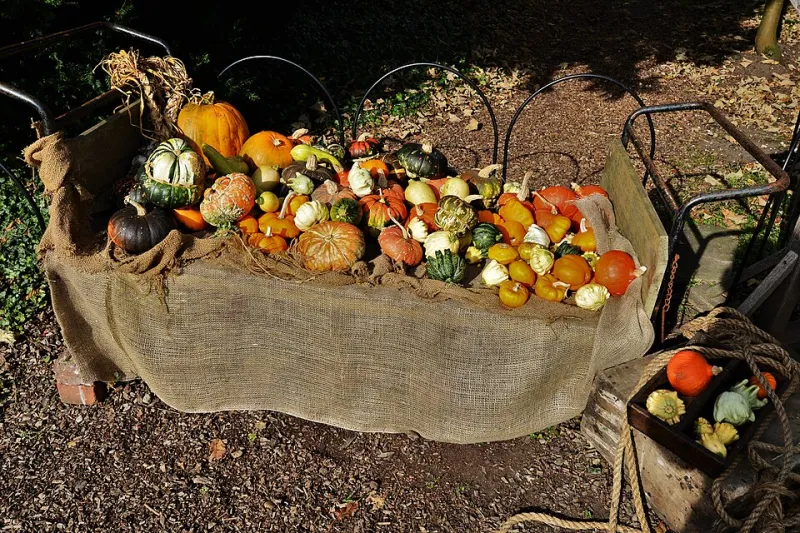
Photo: Michael Garlick , CC BY-SA 2.0, via Wikimedia Commons
Seasonal catering is not about scattering a few edible flowers on a plate. It is about knowing what is good right now, what suits the occasion and what your guests will actually remember. This calendar maps the UK year to signature feasts and produce-led menu ideas. Use it as a starting point, then let your caterer shape it around your venue, guest numbers and budget.
January: bright roots and a fresh start
Occasion: A new-year gathering or a late winter supper. Menu idea: Roast celeriac with hazelnut and thyme, followed by slow-cooked beef with winter greens, and a pudding built on forced rhubarb from Yorkshire.
January is not a month for pretending it is summer. Lean into roots, citrus and comforting slow cooking. Forced rhubarb is one of the season’s quiet luxuries, especially in a fool or a tart.
Booking note: For private dinners, four to six weeks is usually comfortable. For larger events, allow more.
February: fireside suppers and citrus
Occasion: Pancake Day, a Valentine’s dinner or a winter wedding. Menu idea: Mussels with cider, a main of roast pork with apples, and pancakes with blood orange.
February is still deep winter, but citrus brings a lift. If you are planning a wedding, this is a good month to start serious venue and caterer conversations for late summer and autumn 2026.
March: the first green shoots
Occasion: Mothering Sunday or a spring lunch. Menu idea: Purple sprouting broccoli with anchovy and lemon, spring lamb with wild garlic, and a rhubarb and almond pudding.
March is a transition month. The menu should feel lighter without pretending that asparagus season has arrived. Wild garlic and purple sprouting broccoli do a lot of work here.
April: Easter and the asparagus window
Occasion: Easter lunch or the opening of wedding season. Menu idea: English asparagus with hollandaise, new-season lamb with peas and mint, and a lemon posset with shortbread.
Asparagus is fleeting. If you are hosting in April or early May, build the menu around it. For weddings, aim to book your caterer nine to twelve months ahead if you want peak-season produce at a specific date.
May: long tables and elderflower
Occasion: Bank holiday gatherings and early summer weddings. Menu idea: Radishes with butter, roast chicken with elderflower and lemon, new potatoes, and a strawberry and elderflower mess.
May is one of the loveliest months for a long table. The produce is fresh, the evenings are longer and guests are happy to linger outdoors.
June: strawberries and garden parties
Occasion: Summer weddings, garden parties and corporate away days. Menu idea: Pea and broad bean salad, river trout with herbs, and strawberries with cream and meringue.
June menus should feel generous but not heavy. This is the month to ask your caterer about cold starters, gentle mains and puddings that can sit happily in warm weather.
July: peak picnic energy
Occasion: Corporate summer parties and relaxed celebrations. Menu idea: British tomatoes with burrata, grilled shellfish or chicken, and a plum and almond tart.
July is about colour and acidity. Tomatoes at their best need very little doing to them. If you are planning a large corporate event, three to six months ahead is a sensible booking window.
August: harvest begins
Occasion: Family gatherings, festivals and late summer weddings. Menu idea: Sweetcorn fritters, courgette and herb salad, roast lamb or a vegetable centrepiece, and blackberry fool.
August produce is abundant, which gives you room to be flexible. Ask your caterer which dishes can adapt if the weather turns or guest numbers shift.
September: back to the table
Occasion: Corporate lunches and early autumn weddings. Menu idea: Wild mushrooms on toast, partridge with blackberries, and an apple and hazelnut tart.
September feels like a fresh start. The light changes, the produce deepens and menus can move from bright and leafy to warm and savoury.
October: game and orchard fruit
Occasion: Autumn weddings, Halloween suppers and private dining. Menu idea: Squash soup with sage, pheasant or venison with damsons, and baked apples with oat crumble.
October is a generous month. Game, mushrooms, apples and squash all work beautifully. This is also the time to lock in December catering if you have not already.
November: fireside feasts
Occasion: Bonfire gatherings and pre-Christmas dinners. Menu idea: Celeriac remoulade, slow-roast venison with roots, and a chestnut and chocolate pudding.
November menus should feel like an embrace. Roots, game and slow cooking suit the mood. If you are hosting a festive event in December 2026, confirm final numbers and dietary requirements now.
December: the festive do, done seasonally
Occasion: Christmas parties, festive weddings and family lunches. Menu idea: Smoked trout with beetroot, roast turkey or a well-made vegetarian centrepiece, sprouts with chestnuts, and clementine tart.
Festive does not have to mean generic. Ask for specific produce: British sprouts, forced rhubarb for a New Year pudding, proper chestnuts. A menu that tastes of the season beats one that simply wears a paper crown.
Questions to ask your caterer
- Which ingredients are at their best on my date?
- How do you handle allergies and dietary requirements?
- What is included in the quote, and what is extra?
- Can we taste the menu before confirming?
- How do you manage service timings with speeches or presentations?
- What happens if guest numbers change?
Booking timelines at a glance
For weddings, aim for nine to twelve months ahead, especially for peak Saturdays. Large corporate events usually need three to six months. Private dinners and smaller celebrations can often be arranged in four to eight weeks, though December dates disappear early.
The best seasonal menus are built on a conversation, not a template. Tell your caterer what matters to you, then let the year’s produce do the rest.