The Support Act: A Christmas Eve Supper That Leaves Room for the Big Day
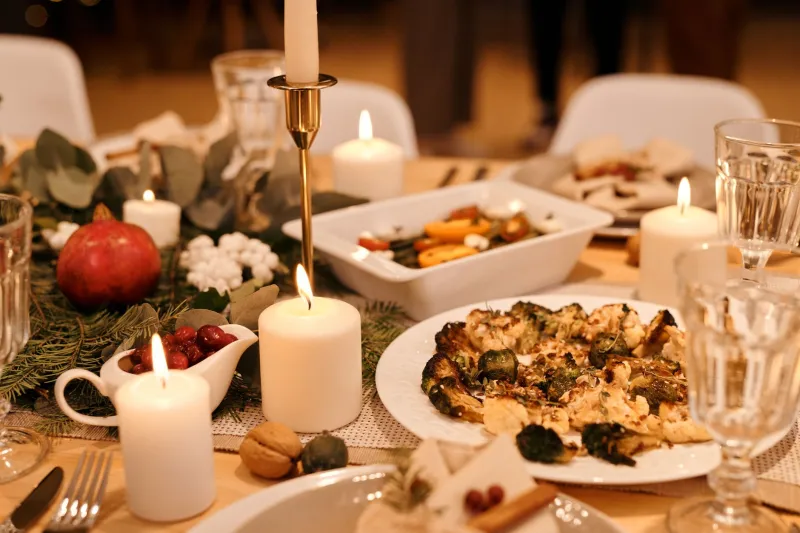
Christmas Eve has an awkward job in the UK calendar. It is not Christmas Day, but it cannot be just another Thursday either. There are carol services to get to, relatives arriving with overnight bags, children who are either wired or collapsing, and a fridge that is already groaning with things destined for tomorrow. The last thing anyone needs is a second roast dinner. What they need is a supper that feels festive, lands easily, and knows when to get out of the way.
At Treforis Catering, we think of Christmas Eve as the support act. It should warm up the room, not tire out the audience. That means bright flavours, generous but unfussy plates, and a menu that can be mostly done before the doorbell starts ringing. In 2026, with Christmas Eve falling on a Thursday, plenty of households will be balancing a normal working day with a much less normal evening. The supper has to be practical first and theatrical second.
Build the menu around what comes next
The biggest mistake with Christmas Eve catering is treating it like a dress rehearsal for Christmas Day. It is not. Nobody wants two heavy meals in a row, and nobody wants to spend Christmas morning washing up a mountain of pans. The menu should be rich in flavour but light in weight: think smoke, citrus, herbs, warm bread and something green. You want people to go to bed satisfied, not comatose.
A good Christmas Eve spread might start with warm sourdough, cultured butter and a dish of good olives. Then bring out smoked salmon with lemon, dill and thin slices of rye, or a ham hock and parsley terrine if you want something more substantial. For the main event, a roast squash and sage tart with a sharp winter slaw works beautifully, or a baked camembert with cranberry and rosemary for a more relaxed pick-and-mix feel. If you are feeding committed carnivores, a glazed ham carved thin and served warm is hard to beat, but keep the sides light: pickled red cabbage, watercress, roast beetroot with orange zest.
Pudding should be a palate cleanser, not a second Christmas pudding. Poached pears with vanilla and a little ginger biscuit crumb are ideal. So is a clementine and almond cake, made a day ahead and served in thin slices with crème fraîche. If there are children at the table, add a bowl of berries or a simple chocolate truffle. The point is a full stop, not an exclamation mark.
A make-ahead supper that still feels special
The caterer’s trick with Christmas Eve is to split the work into two piles: things that must be done on the day, and things that can be done days before. The second pile should be much bigger. On 22 or 23 December, make the cake, poach the pears, cook the beetroot, mix the slaw dressing and chill the drinks that need chilling. On Christmas Eve morning, lay the table properly. Use the good glasses. Put out candles. Fold napkins if that is your thing. A little ceremony costs nothing and makes a cold supper feel like an occasion.
On the day itself, keep the cooking to a minimum. Warm the tart or the camembert, carve the ham if you are serving one, dress the leaves at the last minute and put the bread in the oven for ten minutes. That is it. If you are catering for a larger gathering, a cold table works even better: a whole side of salmon, a couple of tarts, a big bowl of winter slaw, a basket of bread and a pudding you can slice. It looks abundant, it is easy to replenish, and it does not require anyone to miss the start of the carols.
Timings for real households
Christmas Eve timings are not about gastronomy. They are about logistics. If you are going to a church service at six, eat at half four or half seven. A 4.30pm supper sounds early, but it works: people come home, put on something comfortable, eat while it is still light outside, then wrap up warm for the walk to church. If you are staying in, aim for six or half six, then let the evening drift towards present-wrapping and a film.
For families with young children, a 5pm supper is not a compromise. It is a strategy. Serve the children first, keep their plates simple, then let the adults eat once the little ones are in bed. If you are hosting older relatives who prefer not to eat late, a cold buffet from 5.30pm to 7pm gives everyone room to come and go. The food should not be the reason anyone is late for midnight mass or too tired for Christmas morning.
Drinks, pudding and the early bedtime
Keep the drinks low-effort and low-ABV if you can. A winter spritz, a good alcohol-free beer, a jug of clementine and rosemary water, or a single bottle of something nice opened at the table. Christmas Eve is not the night for a cocktail masterclass. It is the night for a glass of something cold and a plate of something good.
Pudding can be served at the table or left on the side for people to help themselves. If you are catering for a crowd, a traybake cake and a bowl of poached fruit will feed more people with less fuss than individual plated desserts. If you are cooking for two, do not underestimate the pleasure of a small, perfect thing: two pears, a pot of crème fraîche, a couple of biscuits. Christmas Eve should feel generous, but not excessive.
The early bedtime is part of the plan, not a failure of the plan. A good Christmas Eve supper ends when it ends. The table can be cleared in ten minutes, the dishwasher can be loaded, and the last person upstairs can leave the candles burning low. Christmas Day is the main event. Christmas Eve is there to hold the door open for it.
If you would rather not spend the day in the kitchen at all, a catered Christmas Eve supper can be delivered cold, ready to plate, or served by a small team for a couple of hours. Either way, the aim is the same: a table that feels festive, food that leaves room for tomorrow, and a host who gets to sit down. That is the sort of support act worth booking.